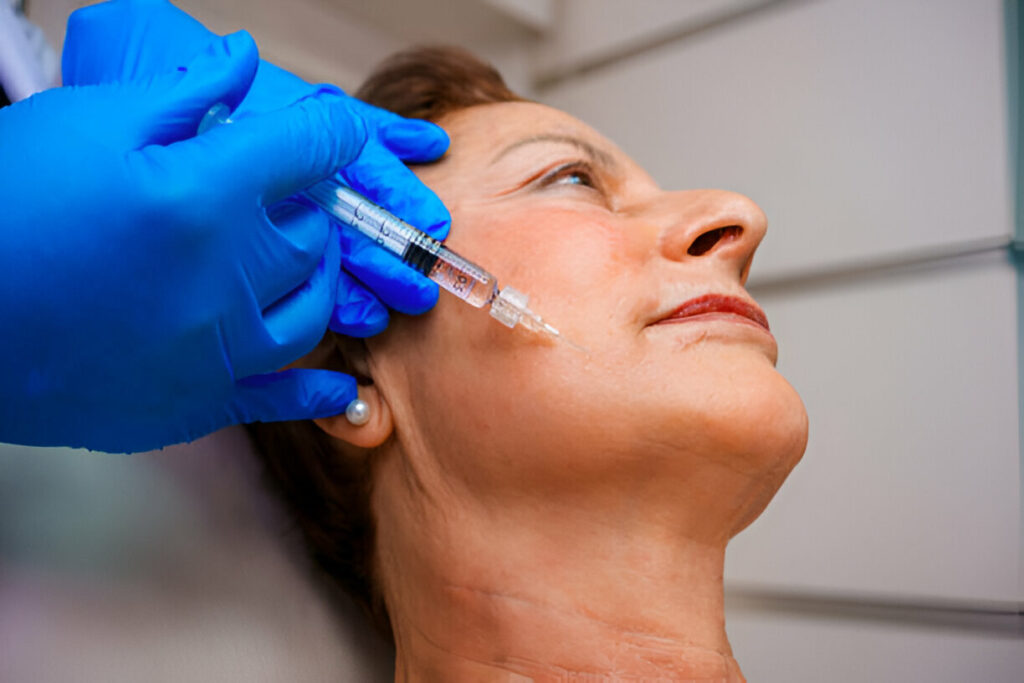
Botox, synonymous with beauty and wrinkle reduction, has established a reputation for its cosmetic applications. However, its benefits extend far beyond the realm of aesthetics. Botox, or Botulinum toxin, has a variety of medical uses that significantly improve the quality of life for many individuals. Botox is a versatile and powerful tool in modern medicine, from alleviating chronic migraines to managing muscle spasms. In this article, we will explore the medical uses of Botox that go beyond its beauty-enhancing capabilities.
Understanding Botox
Before diving into its medical applications, it is essential to understand what Botox is and how it works. Botox is derived from Clostridium botulinum, a bacterium that produces a neurotoxin. When used in small, controlled doses, this neurotoxin temporarily paralyzes muscles by blocking the nerve signals that cause muscle contractions. This property makes Botox an effective treatment for various conditions characterized by overactive or spastic muscles.
Chronic Migraines
One of the most significant medical uses of Botox is in the treatment of chronic migraines. Migraines are debilitating headaches that can last for hours or even days, severely impacting an individual’s daily life. The FDA has approved Botox to prevent chronic migraines in adults who experience 15 or more headache days per month.
The treatment involves injecting Botox into specific areas of the head and neck. These injections help to reduce the frequency and severity of migraines by preventing the release of chemicals involved in pain transmission. Many patients report a significant decrease in migraine days per month, leading to improved productivity and a better quality of life.
Hyperhidrosis
Hyperhidrosis, or excessive sweating, is another condition for which Botox has proven highly effective. This condition can affect various body parts, including the underarms, palms, and feet. Excessive sweating can be socially embarrassing and physically uncomfortable, often interfering with daily activities.
Botox works by blocking the nerves responsible for activating sweat glands. Botox significantly reduces sweating when injected into the affected areas, providing relief for several months. Patients who undergo Botox treatment for hyperhidrosis often experience a marked improvement in their comfort and confidence.
Muscle Spasms and Spasticity
Muscle spasms and spasticity are conditions characterized by involuntary muscle contractions, which can be painful and limiting. These conditions are commonly seen in individuals with cerebral palsy, multiple sclerosis, spinal cord injuries, and stroke survivors.
Botox is widely used to manage muscle spasticity by relaxing the overactive muscles. By injecting Botox into the affected muscles, physicians can help reduce stiffness, improve range of motion, and enhance overall mobility. This treatment can be life-changing for patients, allowing them to perform daily activities with greater ease and comfort.
Overactive Bladder
An overactive bladder is a condition that causes a sudden and uncontrollable urge to urinate, often leading to incontinence. This condition can significantly impact a person’s quality of life, causing embarrassment and inconvenience.
Botox offers an effective treatment option for individuals with an overactive bladder, especially when other treatments have failed. The injections are administered directly into the bladder muscle, helping to relax and increase its storage capacity. As a result, patients experience fewer episodes of urgency and incontinence, leading to improved bladder control and confidence.
Strabismus
Strabismus, commonly known as crossed eyes, is a condition where the eyes do not align properly. This misalignment can affect vision and depth perception, leading to difficulties in daily activities.
Botox has been used to treat strabismus by temporarily weakening the stronger eye muscles, allowing the weaker muscles to realign the eyes. This non-surgical approach can improve eye alignment and visual function, making it a valuable option for children and adults with strabismus.
Cervical Dystonia
Cervical dystonia, or spasmodic torticollis, is a painful condition characterized by involuntary contractions of the neck muscles. These contractions cause the head to twist or turn to one side, leading to discomfort and difficulty in performing daily tasks.
Botox injections relax the overactive neck muscles, relieving pain and improving head posture. Patients with cervical dystonia often experience significant improvements in their symptoms, enhancing their ability to engage in normal activities without discomfort.
Conclusion
While Botox is widely recognized for its cosmetic benefits, its medical applications are equally impressive and impactful. From alleviating chronic migraines to treating muscle spasms and excessive sweating, Botox has transformed the lives of countless individuals. Its versatility and effectiveness make it a valuable tool in medicine, offering relief and improved quality of life for those suffering from various conditions.
If you or someone you know could benefit from Botox for medical reasons, consult a healthcare professional to explore the options and determine if this treatment is proper for you. With its proven track record and ongoing advancements, Botox continues to make significant strides in the medical and cosmetic fields, enhancing well-being in more ways than one.
Check also botox clinic for more information.