In the quest for youthful, wrinkle-free skin, Botox has become a household name. This popular cosmetic treatment has gained widespread acclaim for its ability to smooth out fine lines and wrinkles, but what exactly is Botox, and how does it work? In this article, we’ll delve into the science behind Botox and explore how neurotoxins work to reduce wrinkles.
Understanding Botox: The Basics
Botox, short for Botulinum toxin, is a neurotoxic protein produced by the bacterium Clostridium botulinum. While “toxin” might sound alarming, Botox is used in tiny, controlled doses that are safe for cosmetic and medical applications. Originally, Botox was presidenttoto developed for medical purposes, such as treating muscle spasms, but its wrinkle-reducing properties quickly gained popularity in the cosmetic industry.
How Botox Works: The Science of Neurotoxins
To understand how Botox works, it’s essential to grasp the basics of muscle movement and the role of neurotransmitters. Muscles contract when they receive signals from nerves, which are transmitted by a neurotransmitter called acetylcholine. When acetylcholine is released into the neuromuscular junction, where nerve endings meet muscle cells, it binds to receptors on the muscle cells, triggering a contraction.
Botox works by interfering with this process. When Botox is injected into a muscle, it blocks the release of acetylcholine by binding to the nerve endings. This prevents the muscle from receiving the signal to contract, leading to temporary muscle paralysis. As a result, the overlying skin appears smoother, and wrinkles are reduced.
The Botox Procedure: What to Expect
A typical Botox procedure is relatively quick and straightforward. It usually involves the following steps:
- Consultation: A qualified healthcare provider will assess your facial anatomy and discuss your goals during the initial consultation. They will determine the appropriate injection sites and dosage based on your needs.
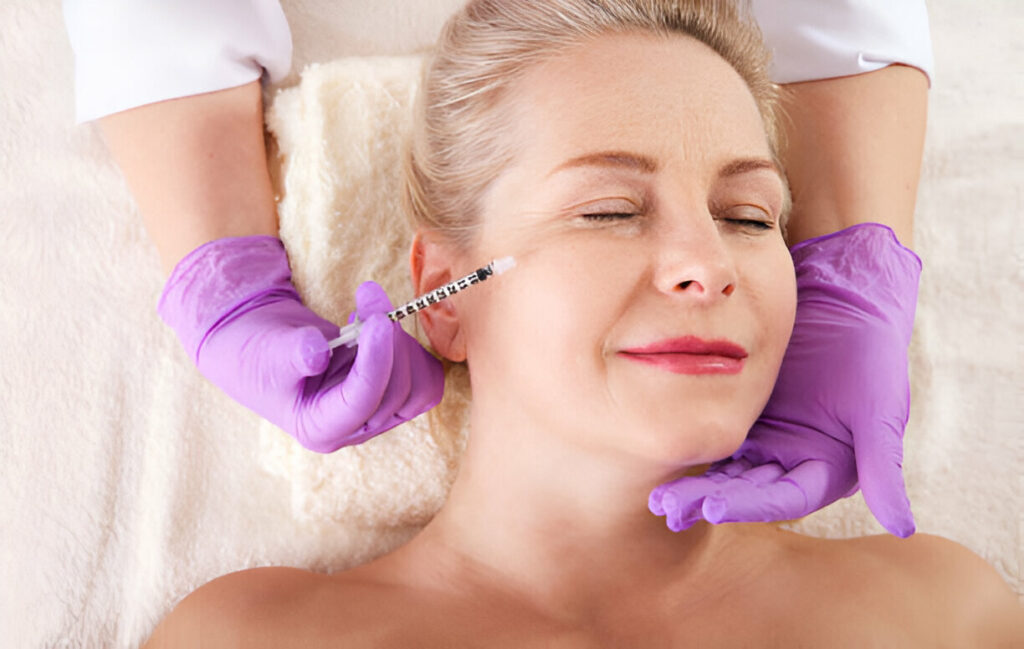
- Preparation: The treatment area is cleaned, and a topical anesthetic may be applied to minimize discomfort. Botox injections are administered using a fine needle, and the process usually takes about 10 to 15 minutes.
- Injection: The provider will inject small amounts of Botox into the targeted muscles. The number of injections depends on the areas being treated. Common treatment areas include the forehead, crow’s feet (lines around the eyes), and frown lines between the eyebrows.
- Post-Treatment Care: After the procedure, you may experience mild redness, swelling, or bruising at the injection sites. These side effects are typically temporary and resolve within a few days. Following your provider’s post-treatment instructions is essential, including avoiding strenuous activity and refraining from touching or massaging the treated areas.
Results and Duration of Botox Effects
The effects of Botox are not immediate; it usually takes a few days to a week for the full results to become noticeable. As the muscles relax, the overlying sultantoto skin smooths out, reducing the appearance of wrinkles and fine lines. The results typically last for three to six months, after which the muscle activity gradually returns, and the wrinkles may reappear.
Botox Beyond Wrinkles: Medical Applications
While Botox is widely known for its cosmetic benefits but has several medical applications, some of the medical conditions treated with Botox include:
- Chronic Migraines: The FDA has approved Botox for treating chronic migraines. It is believed to work by blocking pain signals and reducing the frequency and severity of migraine attacks.
- Hyperhidrosis: Excessive sweating, known as hyperhidrosis, can be effectively managed with Botox injections. By blocking the nerve signals that stimulate sweat glands, Botox can reduce sweating in targeted areas such as the underarms, palms, and soles of the feet.
- Muscle Spasms and Dystonia: Botox treats various muscle-related conditions, including cervical dystonia (a painful condition affecting the neck muscles) and spasticity (muscle stiffness and spasms) associated with conditions like cerebral palsy and multiple sclerosis.
Safety and Side Effects
Botox is generally considered safe when administered by a qualified healthcare provider. However, like any medical treatment, it carries risks and potential side effects. Common side effects include temporary bruising, swelling, and redness at the injection sites. More severe side effects, such as muscle weakness, difficulty swallowing, or breathing problems, can occur in rare cases. Choosing a licensed and experienced provider to minimize these risks is crucial.
Conclusion
Botox has revolutionized the field of cosmetic dermatology by providing a non-surgical solution for reducing wrinkles and achieving a more youthful appearance. Its ability to temporarily paralyze muscles and smooth out skin has made it a popular choice for individuals seeking to combat the signs of aging. By understanding the science behind Botox and how neurotoxins work to reduce wrinkles, you can make informed decisions about whether this treatment is proper for you.
Whether used for cosmetic or medical purposes, Botox continues to be a powerful tool in the hands of skilled professionals. It offers a safe and effective way to enhance appearance and quality of life.