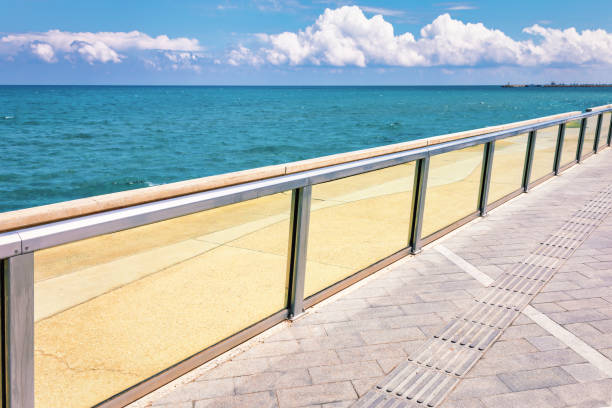
When planning to install balustrades on the Sunshine Coast, you need to consider materials that won’t succumb to the harsh coastal elements or disrupt the natural beauty of your surroundings. Opt for sustainable choices like marine-grade stainless steel and responsibly sourced hardwoods to ensure durability against corrosion and pests. Don’t overlook eco-friendly alternatives such as recycled composites or bamboo, which provide both longevity and minimal upkeep. Integrating these materials seamlessly into your design while adhering to local safety standards can be a challenge, but there are ways to make it work effectively. Ready to learn how?
Choosing the Right Materials
When selecting materials for sustainable balustrade Sunshine Coast, it’s crucial to consider both environmental impact and durability. The coastal environment presents unique challenges, such as salt air, high humidity, and strong winds, all of which can degrade materials quickly if they’re not chosen wisely.
Start with materials known for their exceptional durability and coastal adaptability. Stainless steel, particularly marine-grade 316, is highly resistant to corrosion and provides long-term strength. It’s an excellent choice for coastal environments because it withstands harsh weather conditions without compromising structural integrity.
Another option is aluminum. It’s lightweight, doesn’t corrode easily, and can be powder-coated for additional protection. This makes it both environmentally friendly and durable, perfect for a sustainable build.
For a more natural look, consider sustainably sourced hardwoods like teak or balau. These woods have inherent resistance to rot and pests, making them suitable for outdoor use in coastal areas. Ensure they are certified by organizations like the Forest Stewardship Council (FSC) to guarantee sustainable sourcing.
Lastly, composite materials, which combine recycled plastics and wood fibers, offer high material durability and minimal maintenance. They resist moisture and UV damage, ensuring longevity in a coastal setting.
Design Considerations
Designing sustainable balustrades for the Sunshine Coast involves several key considerations to ensure both functionality and aesthetic appeal. First, you need to achieve an aesthetic balance that complements your overall architectural design. Consider how the balustrade will integrate with existing structures and the surrounding environment. The design should enhance, not overpower, the visual harmony of the space.
Next, prioritize safety regulations. The Sunshine Coast has specific building codes that govern the height, spacing, and structural integrity of balustrades. Make sure you’re familiar with these local requirements to avoid any compliance issues. For instance, the height of the balustrade should be a minimum of 1 meter for residential buildings to prevent falls.
Material choice also impacts the design. Opt for corrosion-resistant materials like stainless steel or treated timber to withstand the coastal climate. Additionally, think about the load-bearing capacity of the balustrade to ensure it can safely support the weight and pressure exerted on it.
Eco-Friendly Options
Choosing eco-friendly options for your balustrades on the Sunshine Coast not only benefits the environment but also aligns with sustainable architectural practices. Recycled composites are a top choice, combining durability with a reduced environmental footprint. These materials are crafted from post-consumer waste, such as plastic bottles and reclaimed wood fibers, offering a sturdy and weather-resistant solution. You’ll appreciate that recycled composites are low-maintenance, resisting rot, insects, and UV damage, making them ideal for the coastal climate.
Consider bamboo alternatives as well. Bamboo is a rapidly renewable resource, growing significantly faster than traditional hardwoods. When treated properly, bamboo balustrades can provide exceptional strength and resilience. They are naturally resistant to moisture and pests, which is crucial for the Sunshine Coast’s humid conditions. Bamboo’s tensile strength rivals that of steel, ensuring your balustrades are both lightweight and structurally sound.
When selecting materials, evaluate their lifecycle impact. Materials like recycled composites and bamboo alternatives not only reduce waste but also promote sustainable forestry and recycling practices. Opting for these eco-friendly options ensures your balustrades are not only aesthetically pleasing but also contribute positively to the planet.
Installation Best Practices
To ensure your eco-friendly balustrades perform optimally, adhering to installation best practices is key. Start by familiarizing yourself with the applicable safety regulations in your area. These guidelines ensure that your installation is both safe and compliant, reducing the risk of accidents or legal issues.
When it comes to installation techniques, precision is essential. Proper alignment and secure fastening will not only enhance the durability of your balustrade but also ensure it can withstand the Sunshine Coast’s varying weather conditions. Here are some crucial steps to follow:
– Foundation Preparation: Ensure the base area is level and solid. Uneven foundations can compromise the structural integrity of your balustrade.
– Material Handling: Use appropriate tools and techniques for cutting and joining materials to avoid damaging eco-friendly components.
– Fastening Methods: Opt for corrosion-resistant fasteners to prevent rust and ensure longevity in coastal climates.
– Safety Barriers: Install temporary safety barriers during construction to protect workers and passersby.
Maintenance and Care
Maintaining and caring for your sustainable balustrades on the Sunshine Coast is crucial for ensuring their longevity and performance. Effective cleaning techniques are essential. Use a mild, non-abrasive soap and a soft cloth to remove dirt and debris. Avoid harsh chemicals as they can damage the finish and compromise structural integrity. For stainless steel balustrades, a diluted vinegar solution can remove fingerprints and minor stains. Always rinse thoroughly with water to prevent residue buildup.
Seasonal inspections are equally important. Conduct a visual examination every three months to identify signs of wear, corrosion, or structural damage. Pay close attention to joints, fasteners, and any welded areas. Rust spots on metal balustrades should be treated immediately with a rust-neutralizing primer and repainted to prevent further deterioration. For timber balustrades, check for rot or insect infestations and apply a fresh coat of sealant annually to protect against moisture.
Regular maintenance not only enhances the aesthetic appeal of your balustrades but also ensures safety and durability. Keeping a detailed log of cleaning and inspection activities can help you stay on top of necessary repairs and prolong the life of your balustrades.