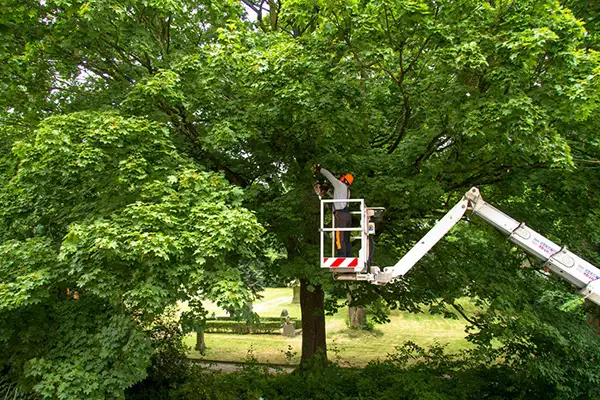
You’re living in Lake of Lake of the Pines, CA, with its magnificent trees. Ever wondered what it takes to keep them healthy and thriving? It’s not just about watering and occasional pruning. There’s a science to it, understanding the specific needs of each species, from soil preference to light exposure. Advanced tree care techniques are the key. Interested in learning more? Let’s explore these techniques and how they’re transforming our local tree landscape.
Understanding the Importance of Tree Health in Lake of the Pines
While you might not think it at first, the health of trees in Lake of the Pines is paramount. You see, they’re not just for show. These towering giants are the lungs of our neighborhood, absorbing carbon dioxide and releasing oxygen. They’re a wildlife sanctuary, providing food and shelter to a variety of species.
Trees also enhance property values and contribute to the overall aesthetic appeal of our community. But they’re under constant threat from pests, diseases, and environmental stressors. That’s why we must stay proactive in maintaining their health. Remember, a sick or dying tree doesn’t just affect its immediate surroundings, it impacts the entire ecosystem of Lake of the Pines.
The Science Behind Tree Health and Longevity
So, you’ve seen how the health of our trees directly affects the entire neighborhood. Now, let’s delve into the science behind it. Trees, just like humans, need food, water, and sunlight to thrive. They absorb water and essential nutrients from the soil, photosynthesize light into food, and breathe in carbon dioxide to release oxygen. But there’s more to it. A tree’s age, species, and genetic makeup can determine its longevity.
Some trees live for hundreds, even thousands of years! And, just like us, trees have an immune system. They produce chemicals to fight off pests and diseases. It’s a fascinating world, isn’t it? Now, knowing this, you can better appreciate the complexity and importance of our neighborhood trees.
The Impact of Local Conditions on Tree Health in Lake of the Pines
Although you might not realize it, the local conditions in Lake of the Pines significantly impact the health of our trees. Changes in temperature, precipitation, and soil composition can drastically alter a tree’s ability to thrive. For instance, prolonged dry spells can stress trees, making them more susceptible to disease and insect infestation. Alternatively, too much rain can lead to root rot. Plus, don’t forget the soil.
The wrong pH can hamper root growth, while nutrient deficiencies can lead to yellowing leaves and slow growth. Even air quality plays a role. Air pollutants can damage leaves and limit photosynthesis. Therefore, it’s crucial to understand and monitor these conditions to ensure our trees’ health and longevity. Next, we’ll discuss how to apply advanced tree care techniques.
Implementing Advanced Tree Care Techniques: A Practical Guide
Ever wondered how to apply advanced tree care practices to ensure the health and longevity of your trees? Start by understanding your tree’s species-specific needs. You’ve got to be familiar with its optimal soil, light, and water conditions. Next, invest in quality tools. Sharp, clean tools make a big difference in tree health.
Regular maintenance tasks include pruning to promote growth and remove dead branches. Also, be vigilant about pests and diseases. Early detection can save your tree’s life. Finally, don’t forget to mulch. It helps to retain moisture and suppresses weeds. Remember, tree care isn’t a one-time deal. It’s a commitment that requires patience, knowledge, and regular attention.
Case Studies: Successful Application of Advanced Tree Care Techniques in Lake of the Pines
While it may seem daunting, taking your tree care to the next level is achievable, as demonstrated by a few noteworthy cases in Lake of the Pines. You see, some residents here have adopted advanced techniques, reaping amazing results. For instance, the Johnsons, who’ve used targeted pruning and deep root fertilization, now boast a lush 20-year-old oak that’s the envy of the neighborhood.
Then there’s the local school that implemented an integrated pest management program, saving their historic apple orchard from a destructive infestation. And remember the Davis family? They used soil amendment techniques to revive their dying maple. If they can achieve such success, so can you. Let’s learn from these case studies and uplift our community’s tree health.
Read more: https://sindttreeservice.com/lake-of-the-pines/tree-service/