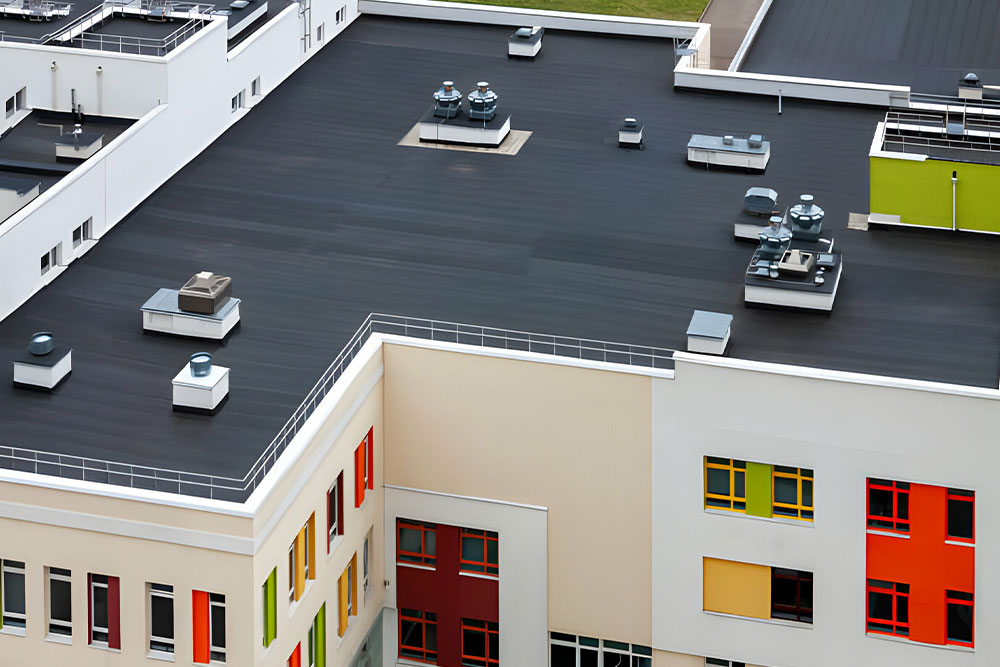
When it comes to commercial roofing in Anaheim, you’re facing unique challenges due to the area’s distinct weather patterns. Hot summers can accelerate the deterioration of your roofing materials through expansion, UV radiation damage, and sealant breakdown. Mild winters, though seemingly harmless, contribute to moisture accumulation and wind-related damage. To ensure your roof lasts, you’ve got to understand these impacts and take proactive measures. So, how can you select the right materials and implement effective maintenance strategies? Let’s explore the essential steps you need to take to protect your investment.
Effects of Hot Summers
Hot summers in Anaheim can significantly shorten the lifespan of commercial roofing materials. When temperatures soar, the intense heat can cause roofing membranes to expand and contract. Over time, this constant movement weakens the materials, leading to cracks and splits. If you don’t address these issues promptly, they can escalate into serious leaks and costly repairs.
Additionally, UV radiation is a major culprit in degrading roofing materials. Prolonged exposure to the sun’s rays can cause the roof’s surface to become brittle. This not only compromises its structural integrity but also reduces the effectiveness of any reflective coatings designed to keep your building cooler.
Investing in UV-resistant materials can mitigate some of these effects, but even the best products will wear down over time under the relentless Anaheim sun.
Moreover, high temperatures can accelerate the breakdown of sealants and adhesives used in roofing systems. If you’ve ever noticed peeling or curling shingles, it’s likely due to the heat deteriorating these essential components. Regular inspections and maintenance are crucial to catching these problems early.
Impact of Mild Winters
Mild winters in Anaheim may seem less threatening, but they can still pose unique challenges for commercial roofing. Unlike regions with harsh winters, you won’t have to worry about heavy snow loads or severe ice dams. However, the mild, often wet conditions can still affect your roof’s integrity.
First, moisture accumulation is a significant concern. Frequent rain, even in small amounts, can lead to water pooling on flat commercial roofs. Over time, this can cause leaks, mold growth, and structural damage. You need to ensure your roof has proper drainage systems and regular inspections to catch any potential issues early.
Second, temperature fluctuations can also impact your roofing materials. Even mild winters bring cooler nights and warmer days, causing materials to expand and contract. This constant movement can create cracks and weaken the roof’s overall structure. Regular maintenance checks will help identify and repair these issues before they become major problems.
Lastly, don’t underestimate the effect of wind. Mild winters can still bring strong winds, which can dislodge shingles or other roofing components. Keeping your roof in top condition involves securing loose materials and promptly addressing any damage.
Common Roofing Materials
When choosing roofing materials for your commercial property, it’s crucial to consider options that can withstand Anaheim’s unique climate conditions. The mild winters and hot, dry summers make it important to pick materials that offer both durability and energy efficiency.
One popular option is thermoplastic polyolefin (TPO) roofing. TPO is known for its ability to reflect sunlight, helping to keep your building cooler and reducing energy costs. It’s also resistant to UV radiation and ozone, making it a great choice for Anaheim’s sunny weather.
Another strong contender is ethylene propylene diene monomer (EPDM) roofing. EPDM is a rubber-based material that’s excellent at resisting heat and UV damage. It’s durable and can last for decades with minimal upkeep, making it a cost-effective choice.
Metal roofing is also worth considering. It’s highly durable, fire-resistant, and can reflect solar radiant heat, which is beneficial during those blazing summer months. Metal roofs can be made from various materials, including aluminum and steel, offering both longevity and aesthetic versatility.
Lastly, consider built-up roofing (BUR) systems. These are composed of multiple layers of bitumen and reinforcing fabrics, making them incredibly durable and great for flat roofs. BUR systems can withstand the temperature fluctuations typical of Anaheim.
Preventative Maintenance Tips
To ensure your commercial roofing materials perform optimally in Anaheim’s climate, regular preventative maintenance is key. Begin by scheduling bi-annual inspections. Check for any signs of damage, like cracks, blisters, or loose materials. Anaheim’s fluctuating temperatures can cause materials to expand and contract, leading to wear and tear.
Keep your roof clean. Debris, dirt, and leaves can trap moisture, leading to mold and mildew growth. Make sure to clear gutters and downspouts to prevent water buildup, which can cause leaks and structural damage. Trim overhanging branches that can fall and damage your roof during storms or high winds.
Check for proper drainage. Pooling water can weaken roofing materials and cause leaks. Ensure that your drainage system is free of blockages and functioning correctly. Look for any standing water after rain and address the underlying issue promptly.
Lastly, inspect the roof’s sealant and flashing. These are critical for keeping water out. Over time, sealants can degrade, and flashing can become loose or damaged. Reapply sealant and repair or replace flashing as needed to maintain a watertight barrier.
With these preventative measures, you can extend the lifespan of your commercial roof.
Long-term Roofing Solutions
Investing in long-term roofing solutions ensures your commercial property withstands Anaheim’s variable weather conditions for years to come. Start with high-quality, durable materials like TPO (Thermoplastic Olefin) or EPDM (Ethylene Propylene Diene Monomer). These materials offer superior resistance to UV rays, heat, and moisture, making them ideal for Anaheim’s sunny, yet occasionally rainy climate.
Next, consider installing proper insulation and ventilation systems. Effective insulation helps regulate indoor temperatures, reducing energy costs, while adequate ventilation prevents moisture buildup that can lead to mold and structural damage.
Don’t underestimate the importance of a well-designed drainage system either. Proper drainage minimizes water pooling, which can deteriorate roofing materials over time.
Regular inspections play a crucial role in maintaining your long-term investment. Schedule professional inspections at least twice a year to identify and address minor issues before they become major problems. Additionally, implement a maintenance plan that includes cleaning gutters, removing debris, and checking for leaks.
Lastly, choose a reputable roofing contractor with experience in commercial roofing. A skilled contractor ensures quality installation and provides valuable advice on the best materials and maintenance practices tailored to Anaheim’s weather conditions. By following these steps, you’re safeguarding your commercial property for the long haul.
Conclusion
To keep your commercial roof in top shape despite Anaheim’s challenging weather, focus on using durable materials like TPO or EPDM. Ensure proper drainage and schedule regular inspections.
By staying proactive, you’ll extend your roof’s lifespan and maintain its structural integrity. Don’t let hot summers and mild winters catch you off guard. Take the necessary steps now to protect your investment and keep your business running smoothly.